Showing posts with label Environmental Science. Show all posts

Sunday, September 29, 2013

โลกอายุยืนอีก 1.75 พันล้านปี ก่อนกลายเป็นดาวน้ำแข็ง


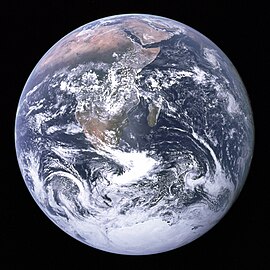
นักวิทย์เผยโลกจะเป็นที่อยู่ของสิ่งมีชีวิตได้อีกไม่ต่ำกว่า 1.75 พันล้านปี ก่อนจะเคลื่อนตัวไกลจากดวงอาทิตย์จนกลายเป็นดาวน้ำแข็ง


          เมื่อวันที่ 20 กันยายน 2556 เว็บไซต์นิวยอร์กเดลี่นิวส์ รายงานว่า แอนดรูว์ รัชบี้ นักชีวดาราศาสตร์และทีมนักวิจัย ได้ใช้วิธีทางวิทยาศาสตร์คาดการณ์ออกมาว่า โลกใบนี้จะเป็นที่อยู่ของสิ่งมีชีวิตได้อีกไม่ต่ำกว่า 1.75 พันล้านปี ก่อนที่จะกลายเป็นดาวน้ำแข็งเพราะเคลื่อนตัวห่างจากดวงอาทิตย์ไกลออกไปเรื่อย ๆ

          โดยหากอ้างอิงตามหลักการของนาซา ดาวที่สิ่งมีชีวิตอาศัยอยู่ได้นั้น จำเป็นต้องมีน้ำอยู่ด้วย เนื่องจากน้ำเป็นต้นกำเนิดของชีวิต ซึ่งดาวที่เอื้อต่อการมีชีวิตนี้ ก็จะต้องมีระยะห่างจากดวงอาทิตย์ในระยะที่ไม่ใกล้เกินไปและไม่ไกลเกินไป เพราะใกล้เกินไปจะทำให้ร้อนจนน้ำระเหยไปหมด ในขณะที่หากอยู่ไกลเกินไป น้ำก็จะกลายเป็นน้ำแข็งไปในที่สุด และโลกที่เราอยู่นี้ ก็เป็นดาวที่อยู่ในเขตเอื้อชีวิต

          แต่ถึงจะเป็นอย่างนั้น นักวิทยาศาสตร์ก็เชื่อว่าการโคจรของดาว ทำให้ระยะของดวงดาวมีการเปลี่ยนแปลงเกิดขึ้นตลอดเวลา และในทุก ๆ ปีเราน่าจะถอยห่างจากดวงอาทิตย์ไป 1 เมตร ซึ่งเมื่อเป็นแบบนี้ไปเรื่อย ๆ โลกของเราอาจจะเย็นขึ้น และเมื่อผ่านไปนับพันล้านปี น้ำก็จะเริ่มกลายเป็นน้ำแข็งจนสิ่งมีชีวิตไม่สามารถอาศัยอยู่ได้ในที่สุด โดยนักวิทยาศาสตร์คาดว่า กว่าที่โลกจะโคจรพ้นจากเขตเอื้อชีวิตไปสู่เขตห่างไกลดวงอาทิตย์จนสิ่งมีชีวิตอยู่ไม่ได้ ก็ต้องอาศัยเวลาอีกไม่ต่ำกว่า 1.75 พันล้านปี หรืออาจจะยาวนานถึง 3.25 พันล้านปีเลยด้วยซ้ำ
          ทั้งนี้ นักวิทยาศาสตร์คาดว่าโลกของเราอยู่ในตำแหน่งที่สิ่งมีชีวิตสามารถอาศัยอยู่ได้มาราว 6.3-7.8 พันล้านปีแล้ว ดังนั้นหากโลกถึงจุดจบในอีก 1.75 พันล้านปีจริง ๆ ก็เท่ากับว่าเวลาที่ผ่านมา เราได้ใช้โลกเป็นที่อยู่อาศัยมานานราว 70% ของอายุโลกในช่วงที่เอื้อต่อการมีชีวิต นับว่าเป็นเวลาที่ยาวนานมากเลยทีเดียว


ที่มา:

Do all animals need sleep?


It might seem natural, but as Maddie Moate from Earth Unplugged explains scientists still don’t know whether every species needs a snooze – especially as it is difficult explaining what sleep actually is.
For something that takes up a third of our life, we actually know very little about why we need sleep – though we do know that it is essential, and that we struggle without it.
Sleep has a vague definition: having a state of immobility that can quickly be reversed, combined with a greatly reduced rate of responsiveness to stimuli. Due to the difficulties in explaining what sleep actually is and the lack of research outside of birds and mammals, scientists tend to be a little hesitant when attributing the word sleep to reptiles, fish and especially invertebrates, and prefer to use the term rest instead.
However research in flies, zebrafish and and nematode worms show changes in gene expression show differences between “sleep” and “wakefulness” similar to those seen in mammals, which suggests they do sleep, at least how we define it.
But it’s more complex than that. Some animals like whales and dolphins have unihemispheric sleep, which means one half of their brain can rest while the other half remains alert.
ที่มา:

Thursday, September 26, 2013

Ice core data supports ancient space impact idea


New data from Greenland ice cores suggest North America may have suffered a large cosmic impact about 12,900 years ago.
The climate flip has previously been linked to the demise of the North American "Clovis" people.
The data seem to back the idea that an impact tipped the climate into a colder phase, a point of current debate.
Rapid climate change occurred 12,900 years ago, and it is proposed that this is associated with the extinction of large mammals - such as the mammoth, widespread wildfires and rapid changes in atmospheric and ocean circulation.
All of these have previously been linked to a cosmic impact but the theory has been hotly disputed because there was a lack of clear evidence.
New platinum measurements were made on ice cores that allow conditions 13,000 years ago to be determined at a time resolution of better than five years, report Michail Petaev and colleagues from Harvard University. Their results are published in the journal Proceedings of the National Academy of Sciences.
A 100-fold spike in platinum concentration occurs in ice that is around 12,890 years old, at the same moment that rapid cooling of the climate is indicated from oxygen isotope measurements. This coincides with the start of a climatic period called the "Younger Dryas".
The Younger Dryas started and finished abruptly, and is one of a number of shorter periods of climate change that appear to have occurred since the last glacial maximum of 20,000 years ago.
Each end of the Younger Dryas period may have involved very rapid changes in temperature as the climate system reached a tipping point, with suggestions that dramatic changes in temperature occurred over as short as timescale as a decade or so.
Asteroid apocalypse?
The observations lend credence to earlier, disputed, reports that finds of microscopic grains of diamond and a mineral called lonsdaleite in lake sediments dated to the same time as a possible meteorite impact.
Those measurements resemble the most recent observations, reported last month, of remnants of the Tunguska meteorite impact in Siberia.
Sphere-shaped particles have also been identified in other sites' sediments, which also have been dated to this event.


While the platinum data and the spherical particles add to evidence for an impact event, doubters have pointed out that - as yet - no impact site has been identified.
It has been suggested that debris thrown into the atmosphere as a result of an impact triggered global cooling at a rate as rapid as the climate changes recorded in the past century.
Such rapid climate change makes it difficult for ecologies and societies to adjust.
It is the fluctuation that has been cited as the cause of the extinction of massive mammals like the mammoth, and native cultures such as the Clovis people in North America.
The possible role of cosmic impacts in causing huge changes to life on Earth is receiving increased attention.
The mass extinction 66 million years ago that wiped out the dinosaurs is generally believed to be linked to a space strike in southern Mexico's Yucatan Peninsula.
Recently, a group of scientists led by Eric Tohver at the University of Western Australia reported that the biggest extinction of all, which occurred 252.3 million years ago at the end of the Permian period, could be explained by an asteroid impact in Brazil.
Nasa is now focusing resources towards detection of future Earth-threatening asteroids.
The US space agency received more than 400 responses to their recent request for ideas to feed into their Asteroid Grand Challenge, which includes plans to redirect a space rock and send humans to study it.

source:

Friday, October 15, 2010

โรงไฟฟ้า นิวเคลียร์ เป็น อย่างไร


วันนี้เรามาทำความรู้จักกับ โรงไฟฟ้านิวเคลียร์ กันดีกว่าครับ จริงๆ เรียกให้ถูกๆ ต้องๆ คือต้องเรียกว่า "โรงไฟฟ้า พลังงาน นิวเคลียร์" เอ่อ…. หลายๆ ท่านคงเคยได้ยินมาไม่มากก็น้อยนะครับ ว่าพลังงานจากนิวเคลียร์มันช่วยผลิตกระแสไฟฟ้าได้ด้วย


แล้วหลักการของมันเป็นอย่างไรละ ทำไมจึงสามารถผลิตกระแสไฟฟ้าได้ หรือว่าเอาแร่ยูเรเนียมตั้งไว้แล้วก็เอาสายไฟ ขั้ว + ขั้ว – จิ้ม แล้วก็ออกมาเป็นไฟฟ้า ในความจริงมันไม่ง่ายอย่างนั้น เอาหล่ะครับ เราจะมาดูกันว่า แร่ยูเรเนียม และพลังงานนิวเคลียร์ ทำไมจึงมาใช้ผลิตไฟฟ้าได้


มาเริ่มกันที่ แร่ยูเรเนียม กันเลยดีกว่า
แร่ยูเรเนียมตามตารางธาตุนะครับใช้ U เป็นสัญลักษณ์ มีเลขอะตอม 92 (ซึ่งเลขอะตอมจะบอกปริมาณโปรตอนในธาตุยูเรเนียม 1 อะตอม) ธาตุชนิดนี้นะครับไม่มีความเสถียรในตัวมันเลย ดังนั้นตัวมันเลยปล่อยรังสีออกมาตลอดเวลา